
Individual Therapy

Therapy that starts with where you are.
Explore what you've endured, lost, or outgrown hope, healing and new possibilities we can carry our past while still becoming someone new.
•
Explore what you've endured, lost, or outgrown hope, healing and new possibilities we can carry our past while still becoming someone new. •
You do not have to have the perfect words for what is happening. You may just know that something feels heavy, your mind will not quiet down, old experiences keep finding their way into the present, or you are tired of holding everything together on your own. Individual therapy gives us room to slow it down, understand what is underneath it, and begin creating change that actually fits your life.
Therapy that starts with where you are.
My approach is warm, collaborative, and practical. I am not interested in squeezing you into one method or asking you to perform therapy the 'right' way. We pay attention to what your mind and body are telling us, what has helped before, what has not, and what you need now.
Some sessions may be reflective and quiet. Others may be focused on patterns, relationships, nervous-system responses, or a specific problem you want help moving through. We can use conversation, EMDR, parts work, CBT, DBT, EFT-informed strategies, narrative work, mindfulness, grounding, and other tools when they make sense - without turning therapy into a checklist.
The goal is not to become a different person. It is to understand yourself more clearly, feel less ruled by old patterns, and have more choice in how you respond to your life.
You might come in because...

Anxiety or overthinking is taking up too much space, and your brain rarely feels fully off.
Something from the past keeps showing up in your relationships, reactions, confidence, or sense of safety.
You feel stuck or emotionally worn down, even when your life looks fine from the outside.
You are neurodivergent and want support that respects the way your brain actually works rather than asking you to hide it.
Relationships feel complicated - with a partner, parent, child, or with yourself.
You are carrying shame, grief, betrayal, burnout, or a major transition and need somewhere honest to put it.
Food, your body, or substances have become complicated. Maybe you are caught in cycles of using something - food, work, spending, thinking, caretaking, or another habit - to get through what is happening underneath.
You keep doing things you know are not helping you, even when there are consequences. Sometimes we get ourselves into habits and cycles that are hard to work our way through alone.
You are not sure who you are underneath all the roles, coping, and expectations. Finding your way back to yourself - or figuring out who that self is in the first place - can be part of the work too.
You know you want something to change, but you are not completely sure what you need yet.
Sometimes the pattern is the place to start.
What is going on in your life that keeps leaving you feeling like you have no other choice but to overeat, overwork, overthink, over-parent, overspend, or keep reaching for something that gives you relief in the moment? Often the behavior is not the whole story. We can get curious about what it is doing for you, what keeps the cycle going, and what might help you have more choices.
Sometimes we simply find ourselves repeating choices that do not line up with the life we want, even when we can clearly see the negative consequences. Therapy can be a place to understand those patterns without shame, work your way through them and out the other side, and build a life that feels more content, grounded, and like your own.
And if you are not sure what 'feeling like yourself' even means anymore, that is another layer I genuinely enjoy exploring.
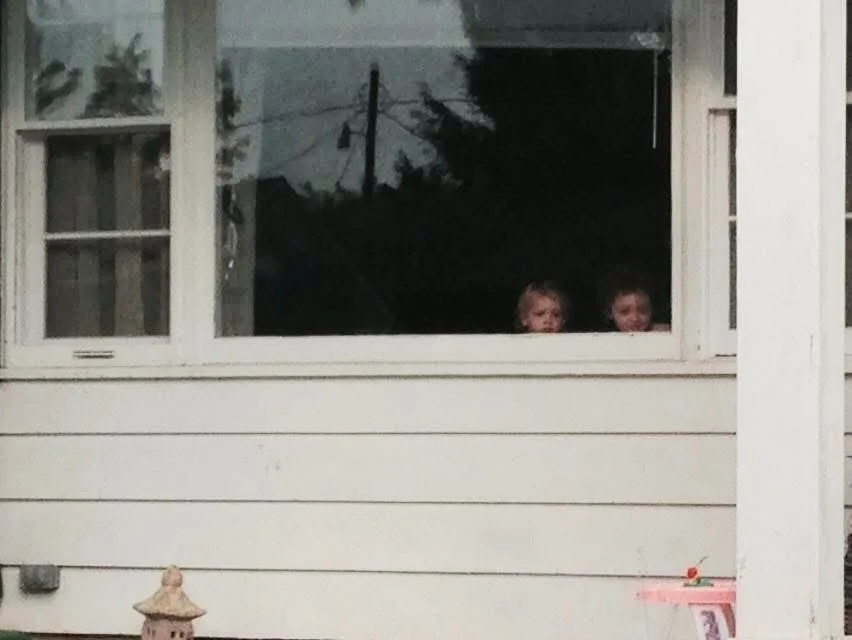
So many stories told of the complexity, and the unspoken struggle we are just supposed to endure and keep living. The experience of the working parent.

we can release old beliefs, expectations, relationships or patterns that no longer serve us
What our work can look like
We may begin by getting a clearer picture of what is happening now - not just symptoms, but the patterns around them. From there, we can work on understanding triggers, strengthening emotional regulation, changing the beliefs that keep you small or stuck, processing experiences that still feel unfinished, and building ways of coping that feel sustainable.
I also believe therapy should leave room for curiosity, humor, creativity, and the parts of you that are already doing well. Healing is not only about revisiting pain. It is also about noticing what brings you back into connection, presence, meaning, and a sense that your life belongs to you.
AREAS I COMMONLY SUPPORT
There are many ways to arrive here.
Anxiety + OCD tendencies
Trauma + EMDR
Helping experiences that still feel emotionally 'live' become something your nervous system can recognize as being in the past.
ADHD + neurodivergence
Food, body + substances
Exploring complicated relationships with food, body image, substances, and the coping cycles that can develop around them - with curiosity rather than shame.
Habits + cycles
Relationship patterns
Untangling fear, intrusive or sticky thoughts, reassurance cycles, and the constant pressure to feel certain.
Support for overwhelm, emotional intensity, masking, organization, self-trust, and learning to work with your brain instead of against it.
Looking underneath overeating, overworking, overthinking, over-parenting, overspending, or other patterns that bring short-term relief but keep creating consequences.
Exploring attachment, boundaries, communication, betrayal, people-pleasing, family dynamics, and the ways old relationships can shape present ones.
Mother + father wounds
Burnout + identity
Making sense of emotionally immature, unavailable, critical, inconsistent, or complicated parenting - and deciding what you want to carry forward.
Finding steadier ground when you are depleted or changing, and exploring who you are when old roles, expectations, or ways of coping no longer fit.
A therapy space can be both deep and grounded.
I want you to feel like you can bring the real version of yourself into the room - the part that is insightful and capable, the part that is exhausted, the part that does not know what to say, and the part that may be skeptical about therapy altogether. We can work with all of it.
You do not need to arrive with a diagnosis, a polished story, or a clear treatment goal. Sometimes the starting point is simply: I do not want to keep feeling like this. That is enough to begin.